
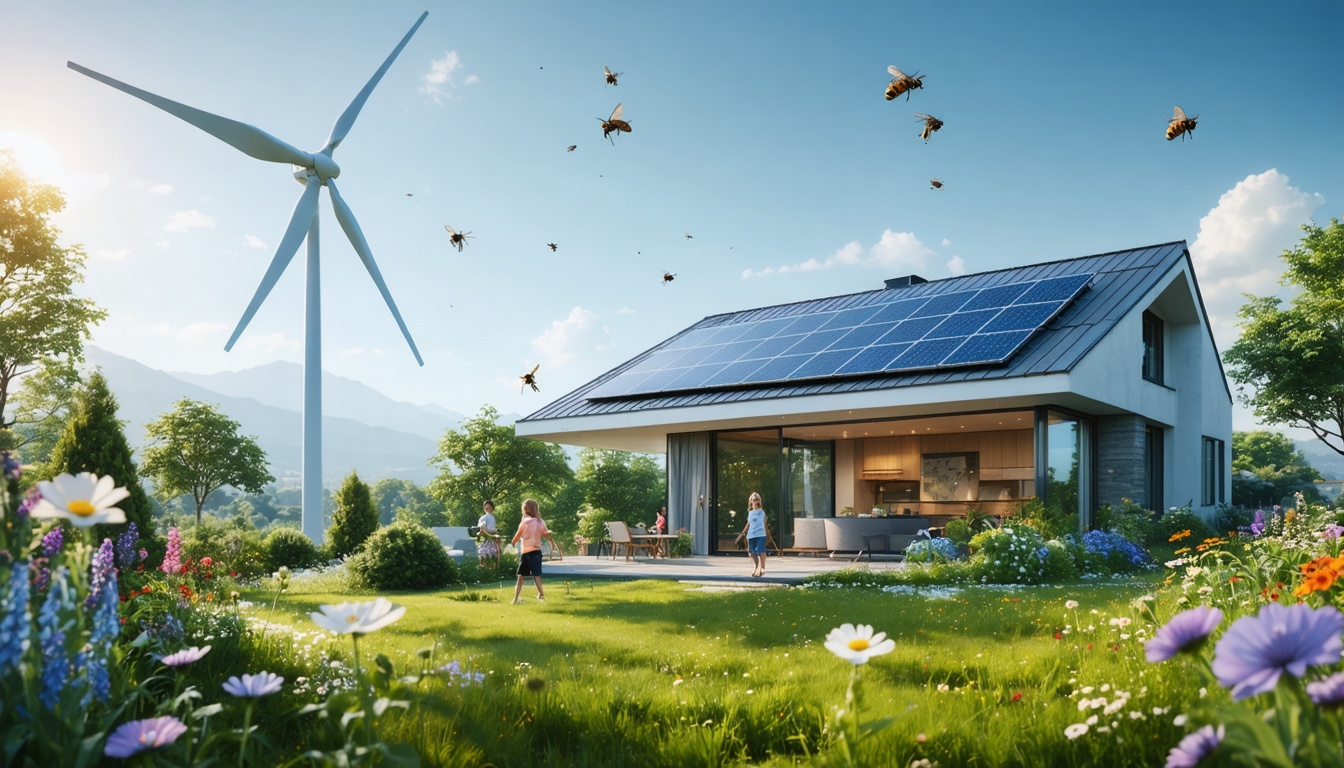
The Environmental Benefits of Choosing Renewable Energy at Home
If you are considering methods to minimize your environmental impact, transitioning to renewable energy sources at home is a viable option. Utilizing renewable energy, such as solar or wind power, contributes to a reduction in your carbon footprint and supports improvements in air quality, while also addressing issues related to climate change. The advantages of adopting renewable energy extend beyond environmental considerations. Research indicates that renewable energy sources can lead to improved public health outcomes, as lower emissions from these sources contribute to cleaner air and a decrease in respiratory and cardiovascular diseases. Moreover, from a financial standpoint, investing in renewable energy technologies may lead to long-term savings on energy bills due to reduced dependence on fossil fuels, which can fluctuate in price. Furthermore, the shift toward renewable energy can have a positive impact on local communities by promoting job creation in the green energy sector. This transition not only supports a sustainable future but also strengthens economic resilience by diversifying the energy supply and reducing reliance on imported fuels. Overall, the decision to use renewable energy at home presents a multifaceted approach to addressing environmental, health, and economic issues. It is a practical step that individuals can take to contribute to a sustainable future.
What Is Renewable Energy?
Renewable energy is sourced from natural resources that are constantly replenished, such as sunlight, wind, water, geothermal energy, and biological materials.
The use of renewable energy for electricity generation can help reduce reliance on fossil fuel power plants, which are major contributors to greenhouse gas emissions and climate change. The transition to renewable energy offers several environmental benefits, including lower levels of air and water pollution and improved air quality.
Compared to fossil fuel-based energy sources, renewable energy generally has a reduced demand for water and tends to require less ongoing maintenance.
The growth of the renewable energy sector also presents potential employment opportunities. Furthermore, various financial incentives, such as tax credits, can support the adoption of renewable technologies, enhancing their economic feasibility.
This transition is consistent with broader climate objectives, especially in the context of efforts in the United States to cut emissions and encourage sustainable energy practices.
Key Types of Renewable Energy Sources
Homeowners have access to various renewable energy options that utilize natural processes to generate electricity or heat. The main types of renewable energy sources include solar energy, wind power, hydroelectricity, geothermal energy, and biomass.
Renewable energy sources, particularly solar and wind, typically have low fuel costs and require less maintenance compared to fossil fuel power plants. For those interested in solar solutions, New Haven County Solar Services offers expert assistance in harnessing these clean energy sources. These energy methods make use of abundant natural resources and play an essential role in the development of the sustainable energy market. They offer environmental benefits, mainly through the reduction of greenhouse gas emissions and lower levels of pollution.
Hydropower and geothermal energy are significant contributors to new electricity generation. Hydropower generates electricity by harnessing the flow of water, while geothermal energy extracts heat from the Earth.
Biomass energy involves converting organic waste into usable energy, aiding in waste management and supporting sustainability initiatives.
Homeowners should consider the advantages and disadvantages of each energy source, including their environmental impact, available tax incentives, and financial opportunities. By assessing these elements, individuals can make well-informed choices regarding the adoption of renewable energy solutions.
Reduction of Greenhouse Gas Emissions
Fossil fuels remain the primary source of greenhouse gas emissions globally. However, a transition to renewable energy sources, such as solar and wind power, offers an opportunity to mitigate these emissions. Renewable energy technologies generally do not produce direct carbon dioxide emissions during power generation, which may help alleviate the effects of global warming and climate change.
The adoption of sustainable energy systems, including solar panels, wind turbines, and hydroelectric power, can yield various environmental benefits. By reducing reliance on fossil fuels, both households and businesses can potentially decrease their carbon footprints.
Additionally, this shift may result in lower energy costs and the creation of employment opportunities within the renewable energy sector.
Economically, investing in renewable energy can reduce greenhouse gas emissions from conventional power plants and provide access to financial incentives, such as tax credits. It can also diminish the dependence on finite fossil fuel resources.
However, it is important to evaluate the advantages and disadvantages associated with renewable energy sources to make informed decisions regarding their development and utilization.
Cleaner Air and Improved Public Health
The shift to cleaner energy sources has a measurable effect on air quality and public health. Utilizing renewable energy options, such as solar, wind, and hydroelectric power, allows households to decrease their emissions of harmful pollutants like sulfur dioxide, nitrogen oxides, and particulate matter. These pollutants have established links to respiratory and cardiovascular diseases.
Renewable energy technologies serve as a sustainable substitute for conventional fossil fuel power plants. Transitioning to renewable electricity generation is correlated with a reduction in greenhouse gas emissions, which is important for mitigating climate change. Improvements in air quality that stem from this shift can lead to better public health outcomes and may result in lower healthcare costs associated with illnesses caused by pollution.
Beyond environmental and health advantages, the increase in renewable energy use can spur economic growth. The renewable energy sector represents a notable source of job creation, as advancements in technology and the establishment of necessary infrastructure take place. Many contemporary renewable energy systems also demand minimal upkeep, which may result in long-term cost savings for consumers.
In conclusion, transitioning to cleaner energy not only improves air quality and public health but also offers potential benefits for economic development. This perspective outlines the practical advantages of adopting renewable energy sources.
Water Conservation Benefits
Selecting clean energy options for your home effectively reduces carbon emissions and plays a significant role in water conservation. Renewable energy sources, such as solar and wind, generate electricity without requiring water for their operation, contrasting with fossil fuel power plants, which often depend on substantial quantities of water for cooling and other processes.
Research indicates that fossil fuel power plants may consume up to three times more water than renewable alternatives.
While hydroelectric power relies on water flow, it also supports water management for agricultural purposes, benefiting local communities and ecosystems. Transitioning to sustainable energy sources can deliver various environmental advantages, including lower operational costs, decreased greenhouse gas emissions, and improvements in both air and water quality.
Additionally, the development of new electricity sources worldwide is increasingly accompanied by deliberate efforts to mitigate their impact on water resources.
This trend highlights the necessity of integrating water conservation into energy production and management strategies as a critical consideration.
Preservation of Natural Resources
The adoption of renewable energy for residential use plays a significant role in the preservation of natural resources for future generations. Renewable energy sources such as solar, wind, and hydroelectric power help decrease the global dependence on fossil fuels. These technologies produce electricity while releasing substantially lower amounts of carbon dioxide and other greenhouse gases compared to traditional fossil fuels, offering various environmental benefits.
Transitioning to renewable energy can lead to improvements in air and water quality, promote the development of sustainable ecosystems, and address certain consequences of climate change.
Furthermore, practical considerations such as the low maintenance needs of specific renewable technologies, the availability of tax incentives, and the potential for reduced long-term operational costs make renewable energy systems increasingly viable for homeowners.
By evaluating these factors, individuals may recognize that adopting renewable energy solutions not only supports environmental preservation but also contributes to the conservation of essential natural resources.
This transition presents a methodical approach to fulfilling both current energy requirements and fostering long-term ecological sustainability.
Enhancing Energy Independence
Installing renewable energy systems in residential settings can lead to a measurable decrease in dependency on imported fossil fuels while enhancing overall energy security. Technologies such as solar panels, wind turbines, and hydroelectric generators enable localized electricity production, which may also contribute to cost savings for homeowners.
Furthermore, there is potential for job creation within the renewable energy sector as the demand for these technologies increases.
The current energy market landscape offers various financial incentives and tax credits designed to encourage the adoption of renewable energy technologies. Maintenance requirements for renewable energy systems are generally lower compared to those associated with traditional fossil fuel sources, which may provide additional long-term cost benefits.
From an environmental perspective, home-based renewable energy generation is associated with lower carbon dioxide and greenhouse gas emissions, contributing to efforts to mitigate climate change.
Additionally, the shift towards renewable energy sources can produce positive effects on both air and water quality.
A comprehensive analysis of renewable energy systems requires a comparison of their benefits and drawbacks against fossil fuel sources on a global scale. This evaluation highlights the varied implications of expanding renewable energy infrastructure, offering a factual basis for understanding potential advantages and challenges.
Contribution to Climate Change Mitigation
Modest changes in household energy consumption can play a role in climate change mitigation. Transitioning to renewable energy sources, such as solar and wind power, can lead to substantial reductions in greenhouse gas emissions when compared to conventional fossil fuel power plants. These renewable energy generation methods typically produce lower carbon dioxide emissions, contributing positively to both air and water quality.
The environmental benefits of renewable energy sources are significant on a global scale, including reductions in air pollution and the consumption of finite resources. In the United States, the move towards renewable energy is in alignment with national objectives aimed at achieving net-zero emissions.
Additionally, many renewable energy systems are accompanied by financial incentives, like tax credits, which may help to reduce initial investment costs. Moreover, renewable energy sources generally incur no fuel costs, and their maintenance requirements are often less intensive than those of traditional fossil fuel systems.
The development and integration of sustainable energy solutions can address climate-related challenges while also potentially offering economic benefits through lower energy bills over time.
Job Creation and Local Economic Benefits
Transitioning to renewable energy contributes to improved air quality and plays a significant role in job creation and local economic development. The adoption of energy sources such as solar, wind, and hydroelectric power is associated with an increase in employment within sectors related to manufacturing, installation, and maintenance.
Studies suggest that renewable energy generation provides approximately three times as many jobs per dollar invested compared to traditional fossil fuel power plants. Currently, the renewable energy sector supports nearly 35 million jobs worldwide, reflecting its potential for employment growth.
This shift towards net-zero emissions can create local job opportunities, while also potentially leading to reduced energy costs and the promotion of sustainable practices. Community-based renewable energy projects generate electricity and also contribute to improved air and water quality, alongside reducing greenhouse gas emissions.
These environmental outcomes highlight the various advantages of investing in renewable energy for local economies.
Financial Savings and Long-Term Value
In recent years, homeowners have increasingly acknowledged the financial benefits of investing in renewable energy systems, such as solar panels and wind turbines. The installation of these systems can lead to significant reductions in electricity bills, with potential savings typically ranging from 20% to 30% compared to traditional fossil fuel power sources. This reduction in energy costs is often realized shortly after the systems are installed.
Moreover, various tax credits and financial incentives are accessible in many regions, which can help offset the initial costs of installation. Additionally, the ongoing maintenance requirements for renewable energy systems are generally lower than those associated with conventional energy sources, primarily due to their durable and efficient designs.
Investing in renewable energy can also positively impact property value, as homes equipped with such systems may be viewed more favorably by potential buyers. Furthermore, the capacity to generate one’s own power aligns with broader economic considerations.
Homeowners adopting renewable energy can not only realize cost savings but also address environmental concerns, particularly those related to air quality and climate change through reduced greenhouse gas emissions.
Consequently, the transition to renewable energy sources presents a viable approach to balancing economic and environmental factors.
Conclusion
Choosing renewable energy for home use has significant environmental benefits, as it directly impacts carbon emissions and resource conservation. By utilizing sources such as solar, wind, or hydroelectric power, individuals can reduce their carbon footprint, thereby contributing to lower greenhouse gas emissions that are linked to climate change. Additionally, renewable energy systems can improve local air quality. Traditional energy sources, particularly fossil fuels, release pollutants that contribute to respiratory and cardiovascular problems. Transitioning to renewables can help mitigate these health risks by reducing emissions of harmful substances. Opting for renewable energy also supports the preservation of natural resources. Renewable sources are often more sustainable in the long run compared to finite fossil fuels, which can deplete over time. This shift not only benefits current environmental conditions but also helps ensure resource availability for future generations. Furthermore, adopting renewable energy can promote energy independence. By harnessing local energy sources, households can become less reliant on imported fuels, contributing to energy security. From an economic perspective, renewable energy installations can lead to long-term financial savings. While the initial investment may be significant, reduced energy bills and potential tax incentives can result in lower overall costs over time. In summary, choosing renewable energy for home use is a decision that can contribute to environmental preservation, energy independence, and economic benefits. Each household's adoption of these practices can collectively lead to a more sustainable future.